Most people are familiar with a traditional Wi-Fi router, but what exactly is a mesh Wi-Fi system?
A mesh system uses multiple Wi-Fi units, called nodes, placed around your home. Instead of relying on a single router to provide coverage everywhere, these nodes work together to create one seamless Wi-Fi network. Your devices automatically connect to the strongest node as you move around the house.
One of the biggest advantages of mesh Wi-Fi is that you don't always need to buy multiple nodes upfront. Many systems allow you to start with a single node and add more later if you need additional coverage.
Choose a Single Router If...
- You live in a small home or apartment
- Wi-Fi reaches every room reliably
- Most devices are used near the router
- Only have a few devices
Choose Mesh Wi-Fi If...
- You have a large home with multiple rooms
- You have dead zones or weak signal areas
- You want consistent coverage throughout your home
- Devices are spread across the property
- You want the option to add more nodes later
Recommended Mesh Router
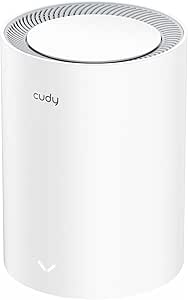
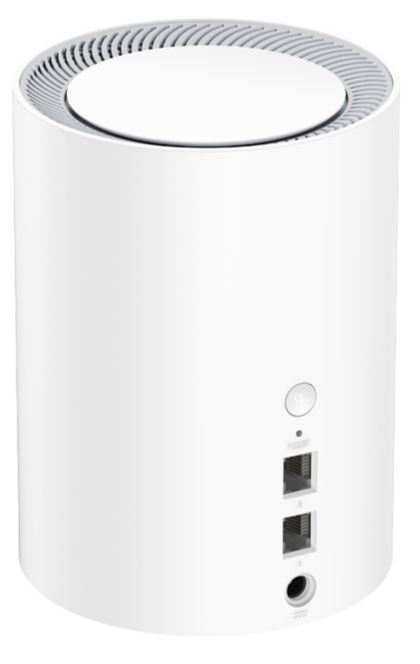
If you're looking for an affordable way to get started with mesh Wi-Fi, we recommend the Cudy M3000. It supports Wi-Fi 6, delivers excellent performance in most homes, and lets you expand your network by adding nodes as your coverage needs grow.
The Bottom Line
A good router is enough for many households, especially in smaller homes. However, if you're constantly battling weak signals, buffering, or Wi-Fi dead zones, a mesh system can significantly improve coverage and reliability.
Important Note: Don’t link multiple independent Wi-Fi routers or cheap Wi-Fi range extenders together. Without a proper mesh protocol, doing this will actually conflict and degrade your overall Wi-Fi network performance.
The best part? You can often start with a single mesh node and expand your network later, making it a flexible, modular upgrade path for growing homes.